CATEGORIES
- Latest News
- Interviews
- Golf Travel
- Features
- Juniors
- Competition
- Events
- Health
- Equipment
- Fashion
- Archive
INFORMATION
CURRENT ISSUE

SUBSCRIPTIONS



CATEGORIES
INFORMATION
CURRENT ISSUE
SUBSCRIPTIONS

.jpg)




Words: Mariah Swigart
The modern world of putters is vast, with hundreds of options available that go far beyond the traditional designs. Today’s market features
endless combinations of head shapes, face technologies, weights, neck styles, alignment aids, grip variations, and finishes. This abundance
of customisation is a good thing because it allows players to find a putter that matches their stroke and visual preferences. At the
broadest level, putters can still be grouped into two categories.
Blade Putters
Blade putters are slim and traditional. They provide excellent feedback and are popular among players with an arcing stroke.
Mallet Putters
Mallet putters are larger, more stable, and often come with advanced alignment features. They suit golfers who prefer a straighter, square-to-square motion and want added forgiveness.
Studies and equipment testing consistently show that mallets excel on short putts, while blades often perform better for distance control on longer lag putts.
I scheduled a putter fitting to test out different putters and see the data-backed results. The process revealed just how transformative the right fit can be.
My Fitting Experience
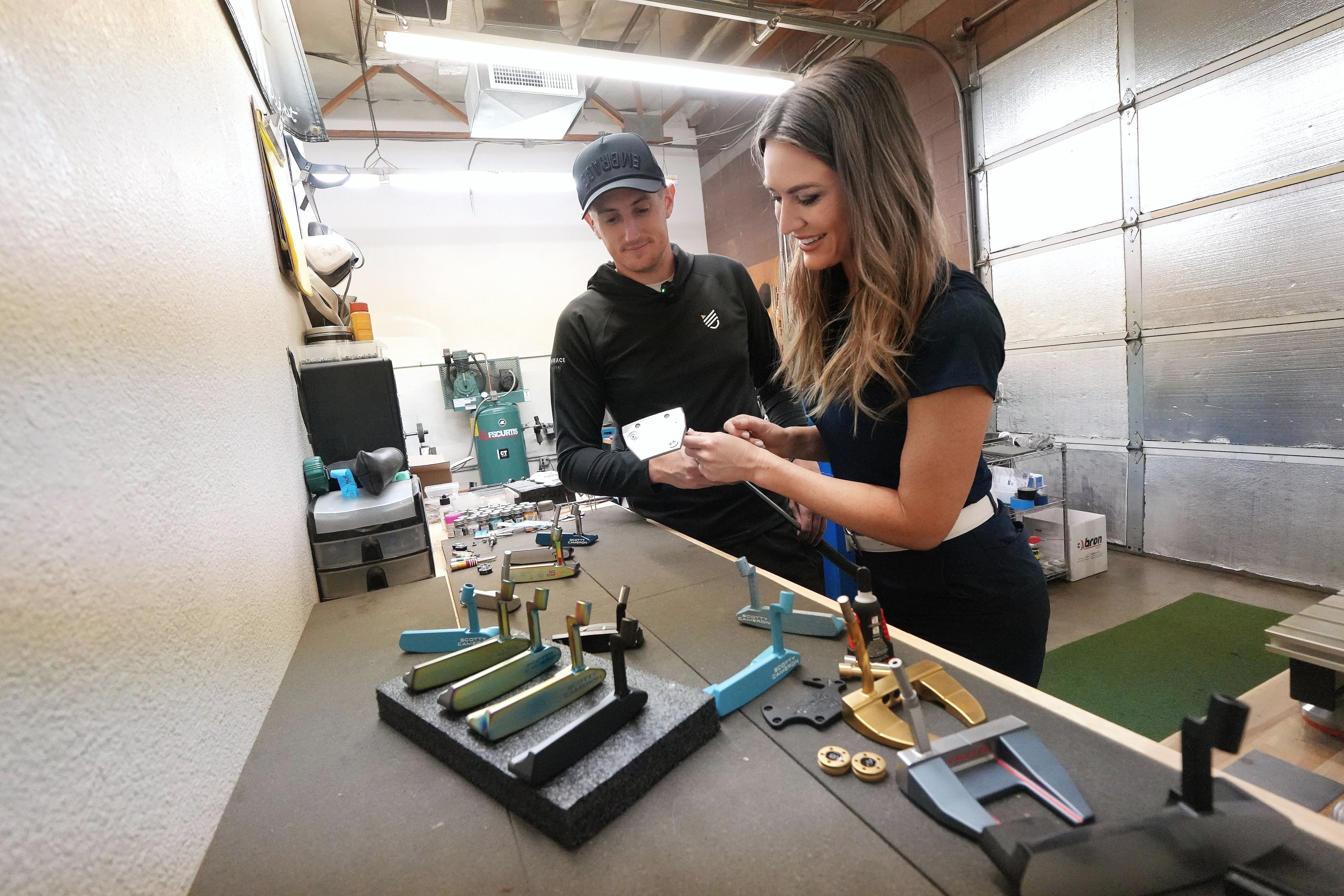 We began by taking measurements of my body and current putter to ensure length, loft and lie were appropriate. Eyeline was then checked with
a putting mirror to see how my visual alignment matched reality.
We began by taking measurements of my body and current putter to ensure length, loft and lie were appropriate. Eyeline was then checked with
a putting mirror to see how my visual alignment matched reality.
Next, I built a baseline using my current putter while the Blast Motion sensor tracked metrics such as face angle, tempo, and stroke path. This gave us a starting point to measure improvements. I then tested different models, comparing new data to my baseline results. Finally, we discussed alignment preferences and grip options to ensure both performance and confidence.
This process confirmed that fitting is not about guessing or choosing based on appearance. It is about finding a putter that complements your stroke and provides confidence at address.
Here are the putters I tested in this process.
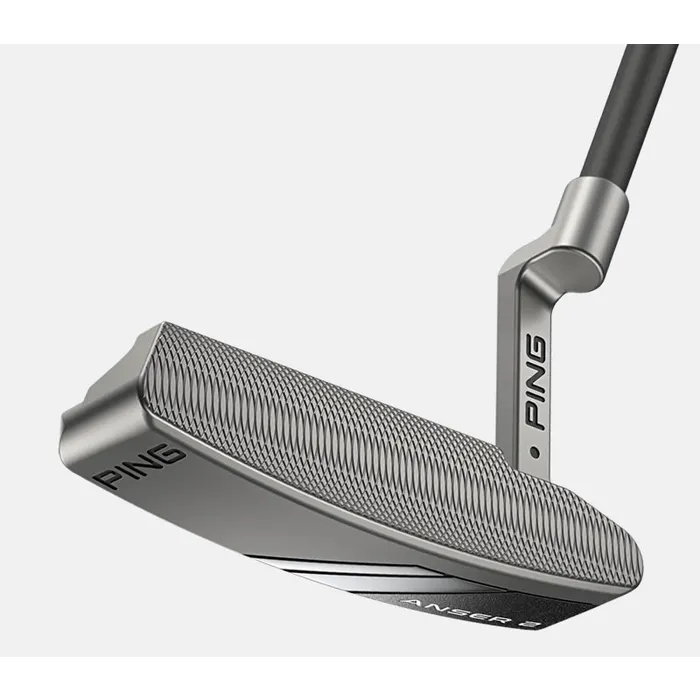 When I want a classic shape and clean look at address, I turn to the PING Anser.
This model is more than just another blade. It is the original design that has influenced nearly every blade-style putter since its debut.
The Anser has been in the bags of countless champions, with more than 500 professional wins and 19 men’s major championships to its
name.
When I want a classic shape and clean look at address, I turn to the PING Anser.
This model is more than just another blade. It is the original design that has influenced nearly every blade-style putter since its debut.
The Anser has been in the bags of countless champions, with more than 500 professional wins and 19 men’s major championships to its
name.
During my fitting, the Anser provided an exceptional sense of feedback and responsiveness. It is not overloaded with alignment aids, but the single sight line frames the ball naturally. For golfers who prefer simplicity and rely on feel, this putter remains one of the best choices. Modern versions incorporate subtle updates such as tungsten weighting and precision-milled faces, which add stability and consistency without losing the iconic Anser feel.
The data collected during my baseline test showed that my dispersion tightened significantly once the length and lie angle were properly adjusted. This reinforced an important lesson: even a simple, traditional blade can perform at a very high level when it is fit correctly to the player.
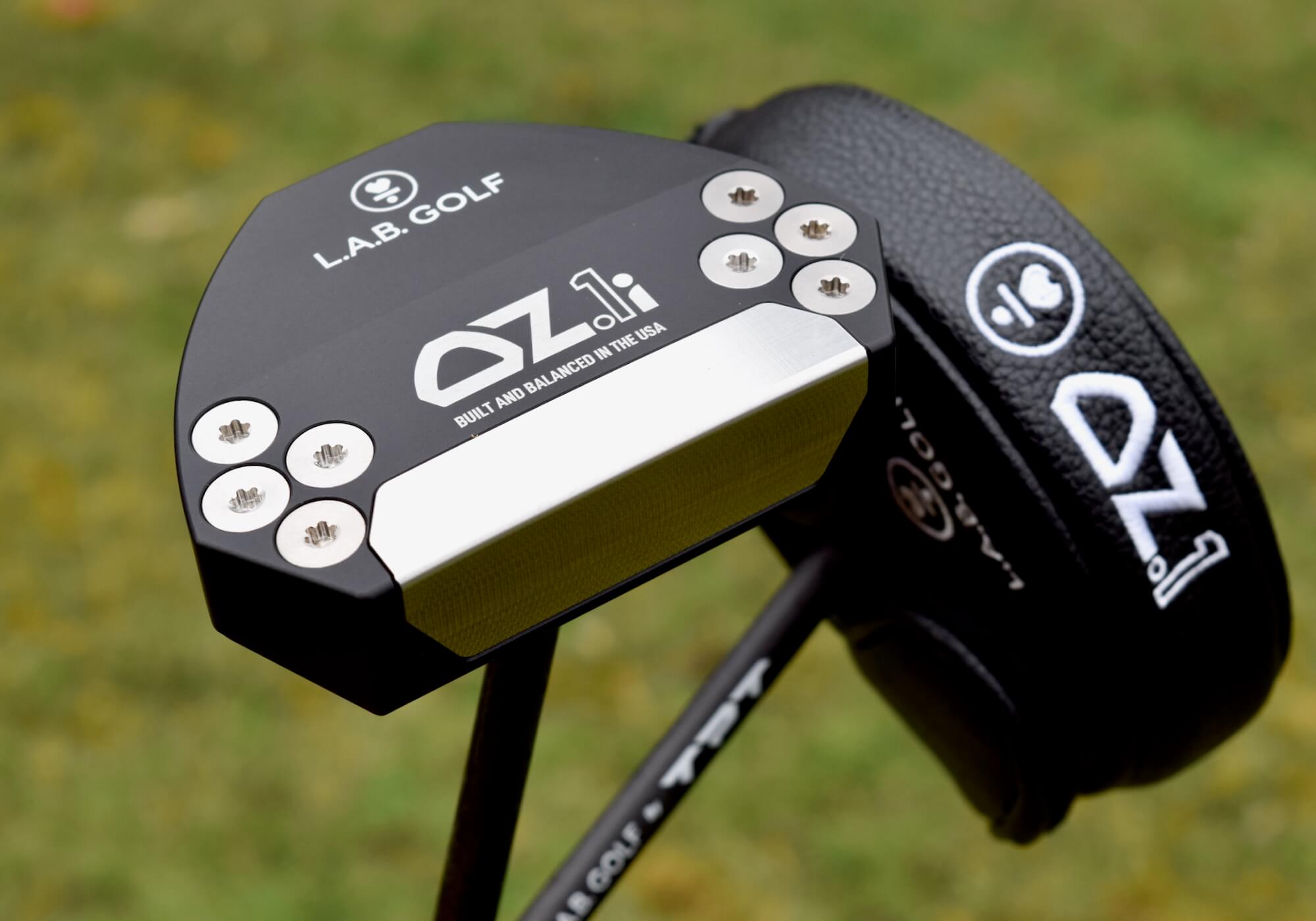 L.A.B.
Golf
has earned significant attention for its Lie Angle Balance technology, which is designed to eliminate torque during the stroke. The
company’s putters, including the DF3 and OZ.1i, are engineered so that the face naturally stays square without manipulation. For players who
struggle with consistency in face rotation, this technology can be transformative.
L.A.B.
Golf
has earned significant attention for its Lie Angle Balance technology, which is designed to eliminate torque during the stroke. The
company’s putters, including the DF3 and OZ.1i, are engineered so that the face naturally stays square without manipulation. For players who
struggle with consistency in face rotation, this technology can be transformative.
When I tested a L.A.B. model, I immediately noticed how stable it felt throughout the stroke. The sensation was as if the putter “tracked” down the line on its own. The Blast Motion data confirmed this, showing reduced variability in my face angle at impact. For golfers who tend to steer or manipulate the putter, this technology removes that urge and allows focus on speed and line.
The L.A.B. putter designs are unconventional in appearance, but the performance benefit is undeniable. Even the more traditional OZ.1i maintains the same balancing technology while offering a shape that appeals to golfers who prefer a sleeker look. While these putters carry a premium price, the innovation justifies the investment for players seeking unmatched stability.
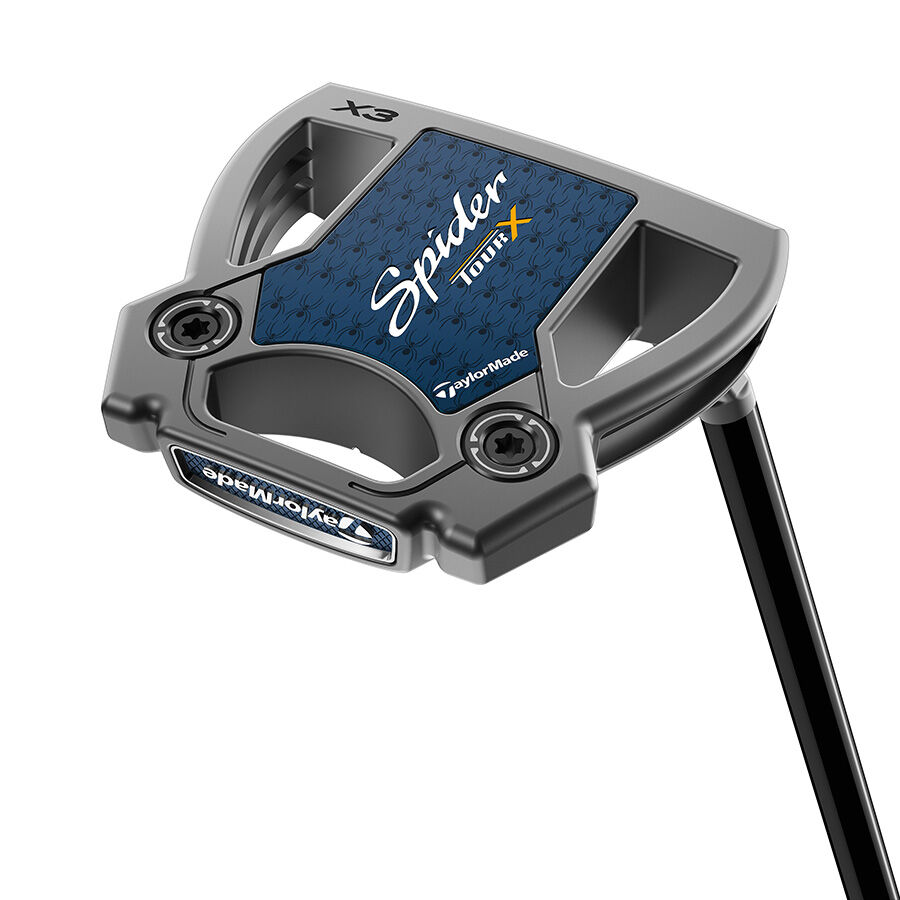
The Spider line from TaylorMade has become one of the most popular mallets in modern golf, with multiple professional wins across its history. The Spider Tour X continues this tradition, offering high stability through a multi-material design and carefully placed weights. The result is one of the most forgiving mallets available.
What stood out to me in testing was how consistent the Spider Tour X felt on shorter putts. My face angle dispersion narrowed considerably, and the head’s shape filled my visual window in a way that made alignment almost effortless. Despite its stability, the Spider Tour X does not feel overly mechanical. The responsive face maintains a sense of touch that many large mallets lose.
This putter is particularly well-suited to golfers who want maximum forgiveness without sacrificing feel. It also serves as a great transition option for players moving from a blade to a mallet.
Blades versus Mallets
Blades provide feedback and precision, while mallets deliver forgiveness and alignment confidence. Testing shows mallets excel inside six feet, while blades often perform better for lag putting.
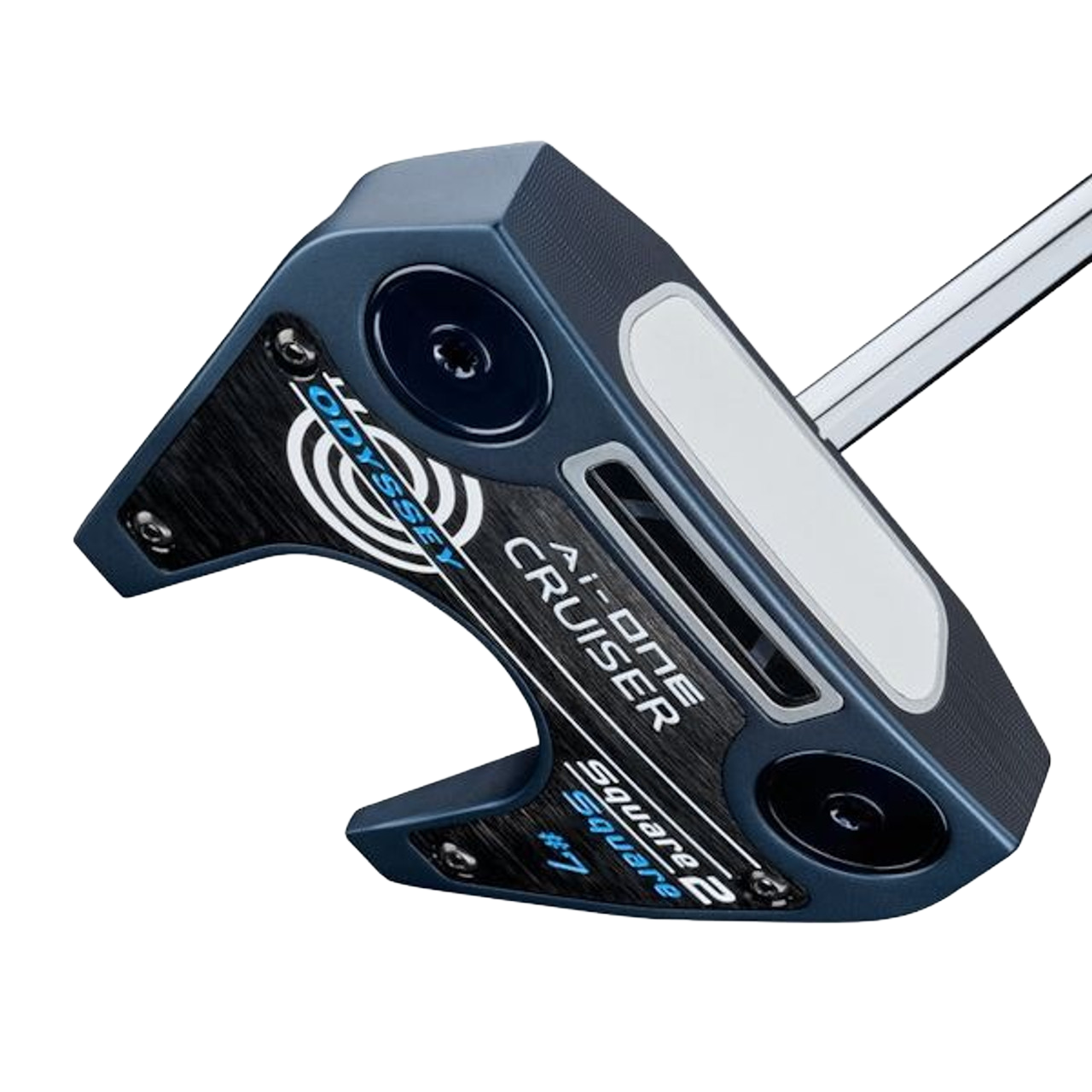 The putter that ultimately won me over in my fitting was the Callaway
Square-to-Square #7,
a modern version of Odyssey’s famous “fang” design. This head shape is one of the most recognisable in golf and has been trusted by multiple
tour winners. The extended fangs frame the ball at address, providing both stability and confidence.
The putter that ultimately won me over in my fitting was the Callaway
Square-to-Square #7,
a modern version of Odyssey’s famous “fang” design. This head shape is one of the most recognisable in golf and has been trusted by multiple
tour winners. The extended fangs frame the ball at address, providing both stability and confidence.
Odyssey has continued to refine this design with advanced face technology, including AI-engineered milling that helps deliver more consistent ball speed across the entire face. In practical terms, it means mishits roll almost as well as centre strikes. This is particularly valuable for players who want dependable distance control under pressure.
What impressed me during the fitting was how quickly the #7 improved my alignment. I tend to set up slightly right, but the bold visuals of the fangs and alignment lines helped square me up naturally. When we measured performance with the Blast Motion sensor, the numbers showed a clear improvement in face angle control compared to my baseline blade. For short putts in particular, this putter felt almost automatic.

No conversation about premium putters is complete without mentioning Scotty Cameron, and the Newport 2 remains the brand’s flagship blade. This model has been trusted by some of the greatest players in the game, including multiple major champions. Its appeal lies in precision craftsmanship, timeless design, and a feel that is second to none.
The current Newport 2 features dual-milled face technology, which blends soft feedback with consistent roll. Tungsten sole weights provide balance and optimise swing weight. The clean topline and tri-sole design allow the putter to sit square regardless of how it is placed on the ground, which adds confidence at address.
This putter I actually tried at my friend’s custom putter shop; however, I loved the feel of this putter so much that I had to include it in this article. Lag putting felt natural, and I could immediately sense whether I had struck the ball purely. For golfers who value traditional aesthetics, soft feel, and tour-proven reliability, the Newport 2 remains a gold standard. Plus, there is a niche in collecting and customising Scotty Cameron putters, which is why my friend's business, Embrace Putters, is so successful in taking Scotty Cameron and bringing them back to life, or adding customisation to the classics.
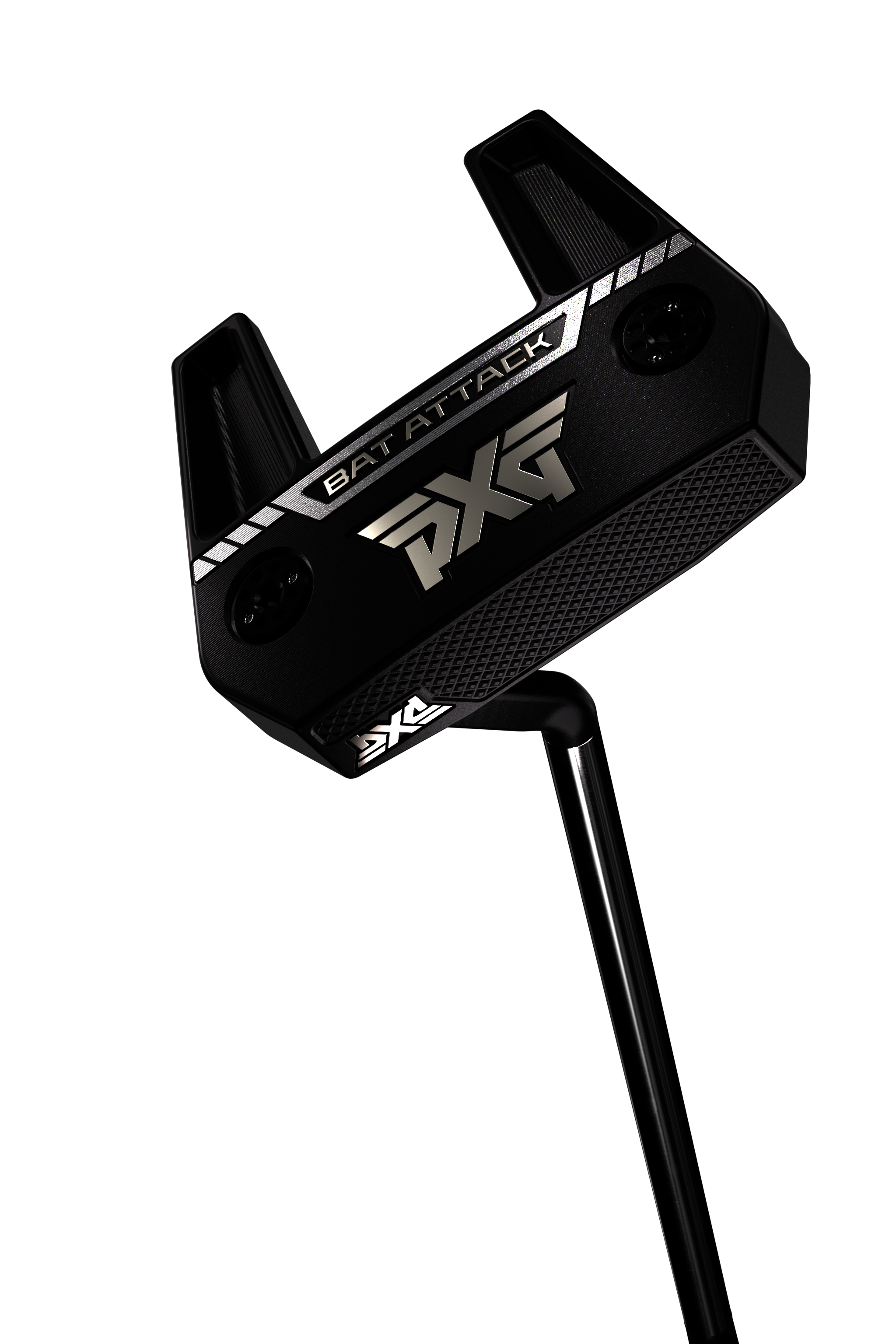 Resist the Twist. The PXG
Bat Attack Zero Torque (ZT) Putter
is engineered to minimise face twist and maximize stability through the stroke. With Zero Torque Balance Technology and a uniquely designed
S-Hosel, this mighty fine PXG putter helps golfers keep the face square to their path — enhancing accuracy and confidence on every putt. A
hollow-body construction, advanced materials, and aggressive face milling combine to deliver soft feel, exceptional sound, and pure roll in a
sleek, high-MOI package. I love it and you will too!
Resist the Twist. The PXG
Bat Attack Zero Torque (ZT) Putter
is engineered to minimise face twist and maximize stability through the stroke. With Zero Torque Balance Technology and a uniquely designed
S-Hosel, this mighty fine PXG putter helps golfers keep the face square to their path — enhancing accuracy and confidence on every putt. A
hollow-body construction, advanced materials, and aggressive face milling combine to deliver soft feel, exceptional sound, and pure roll in a
sleek, high-MOI package. I love it and you will too!
The Importance of a Fitting
Length and lie angle influence how you see the line. Alignment markings and grip options are not just cosmetic; they directly affect performance.
Final Thoughts
For those who want to improve their putting, I would advise you not to rely on guesswork or what looks appealing on the rack. Schedule a professional fitting, test different models, and let the data and your instincts guide the choice. When the putter matches both your stroke and your confidence, you will not only roll the ball more consistently, but you will also enjoy the game more.
Follow Mariah Swigart for expert golf tips and equipment insights on Instagram HERE