CATEGORIES
- Latest News
- Interviews
- Golf Travel
- Features
- Juniors
- Competition
- Events
- Health
- Equipment
- Fashion
- Archive
INFORMATION
CURRENT ISSUE
SUBSCRIPTIONS



CATEGORIES
INFORMATION
CURRENT ISSUE
SUBSCRIPTIONS
.jpg)


By Mariah Swigart | Social: @ms.swag_golf
There was a time when I chose irons almost entirely based on appearance. But that’s almost impossible now because there are too many good-looking irons out there.
As a young girl on the school golf team, there was nothing like a new set of shiny irons. I’ll never forget the first set I picked out myself at age 11: a stunning set of Mizuno MX-17 irons, rubber-banded together in a pile of used clubs at a golf convention. The clean shape and extra‑shiny accent caught my attention instantly. That was the start of my love for golf clubs.
While I spent the rest of my school golf career ignorantly choosing clubs based on my coach’s recommendations and whether I thought they were pretty, there came a time when I needed to understand why so many irons existed and what made each design unique. And today I’ll share that knowledge with you!
As golf technology evolves, equipment companies are reaching the heights of customization when it comes to golf irons specific to each player. This process began with creating more categories of irons with different shapes, materials, weighting systems, and levels of forgiveness. Suddenly there are seemingly endless options to choose the right iron for your game—down to the color and finish of the club.
And with so many options now available, where do we start with understanding the differences between iron categories? Before we break down
the different categories of modern irons, it’s important to cover some common vocabulary when discussing club design.
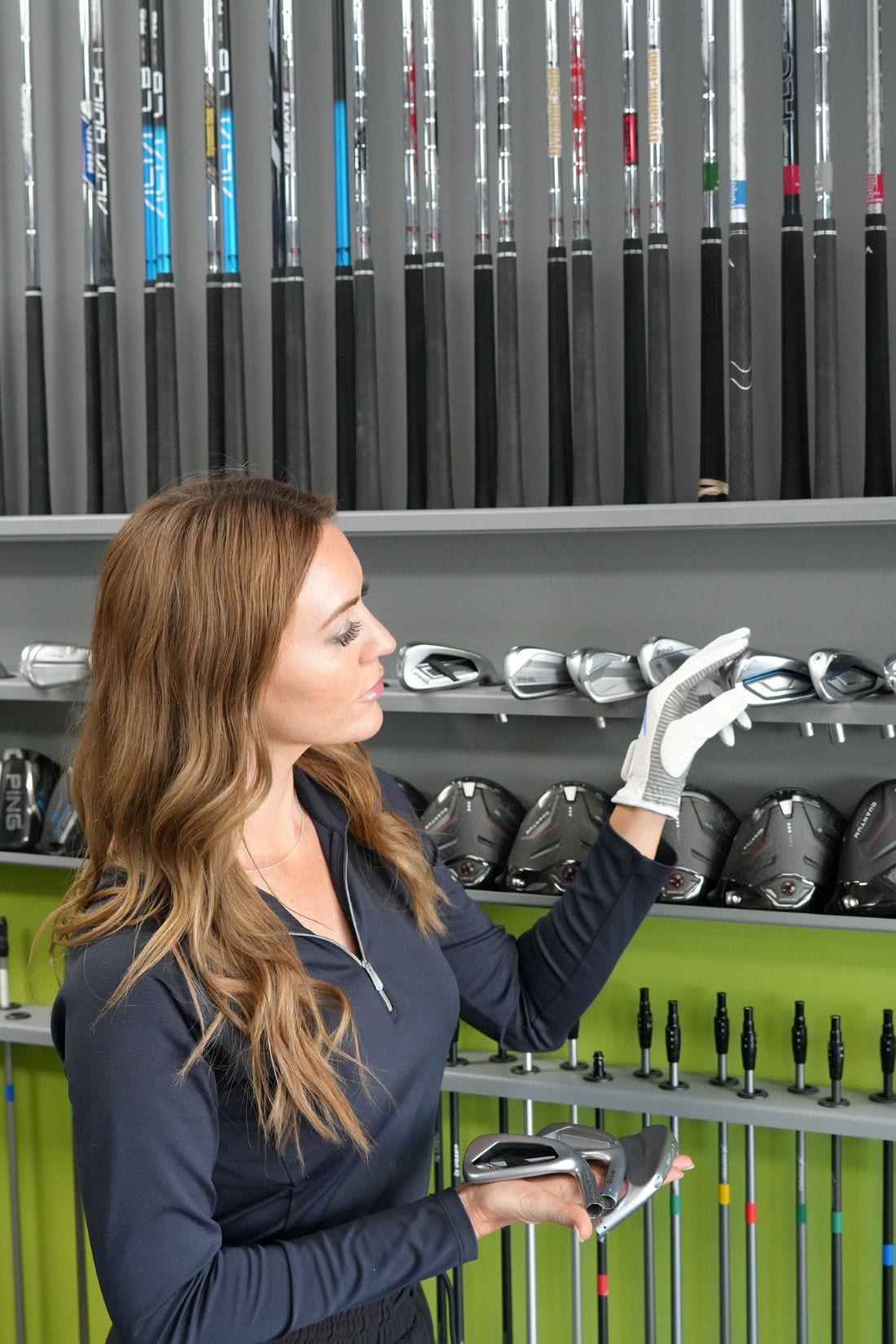
One of the most common terms golfers hear when shopping for irons is “forgiveness.”
In golf, forgiveness means a club is designed to help reduce the negative effects of a mishit.
For example, if a golfer hits the ball slightly toward the toe or heel instead of the exact center of the clubface, a more forgiving iron can help the shot maintain better distance, direction, and height.
Less forgiving irons usually provide more feedback and control, but mishits tend to lose more distance and accuracy.
This is why forgiveness can be so important, especially for newer golfers or players who are still developing consistency.
Golf companies change the shape and design of irons to create different performance benefits.
More forgiving irons often have:
These features help make the club more stable during impact.
Less forgiving irons are usually designed with:
These clubs are often preferred by highly skilled golfers because they provide more precision and shot shaping ability.
Neither design is “better.” They are simply built for different types of golfers and different preferences.
Blades are very small and compact irons designed for highly skilled golfers. They offer maximum shot shaping and feedback, but they are less forgiving on mishits.
A players iron is slightly more forgiving than a blade but still designed for golfers who want control, feel and a compact look. These clubs are often preferred by lower handicap golfers.
This newer category blends the appearance of a players iron with added forgiveness and distance technology. These irons are becoming extremely popular because they offer a balance between performance and forgiveness.
Designed to help golfers launch the ball more easily, maintain distance on off-center hits, and usually feature larger clubheads and wider soles.
The most forgiving irons on the market. Designed to maximise launch, stability and consistency. Ideal for newer golfers or players who struggle with contact.
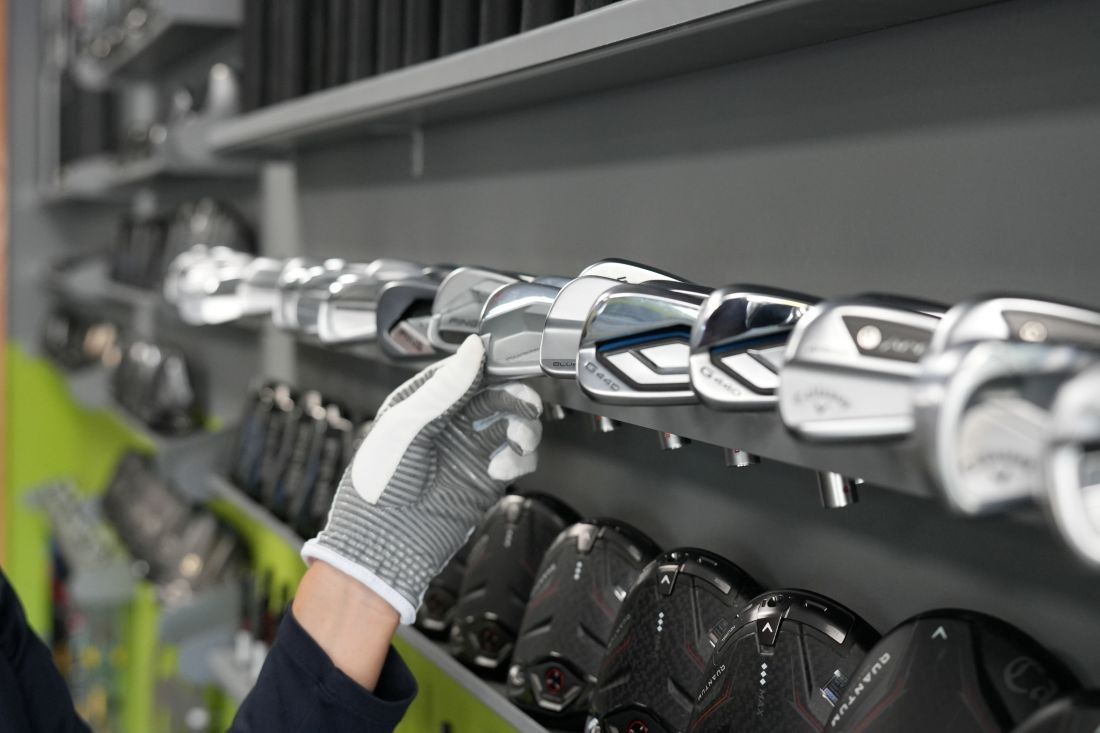
Now, just because you are a beginner golfer does not mean that the “super game improvement” irons are the right fit for you. It’s important to get fitted with a professional who can help you analyse shot data and decide which club is the best choice for your game.
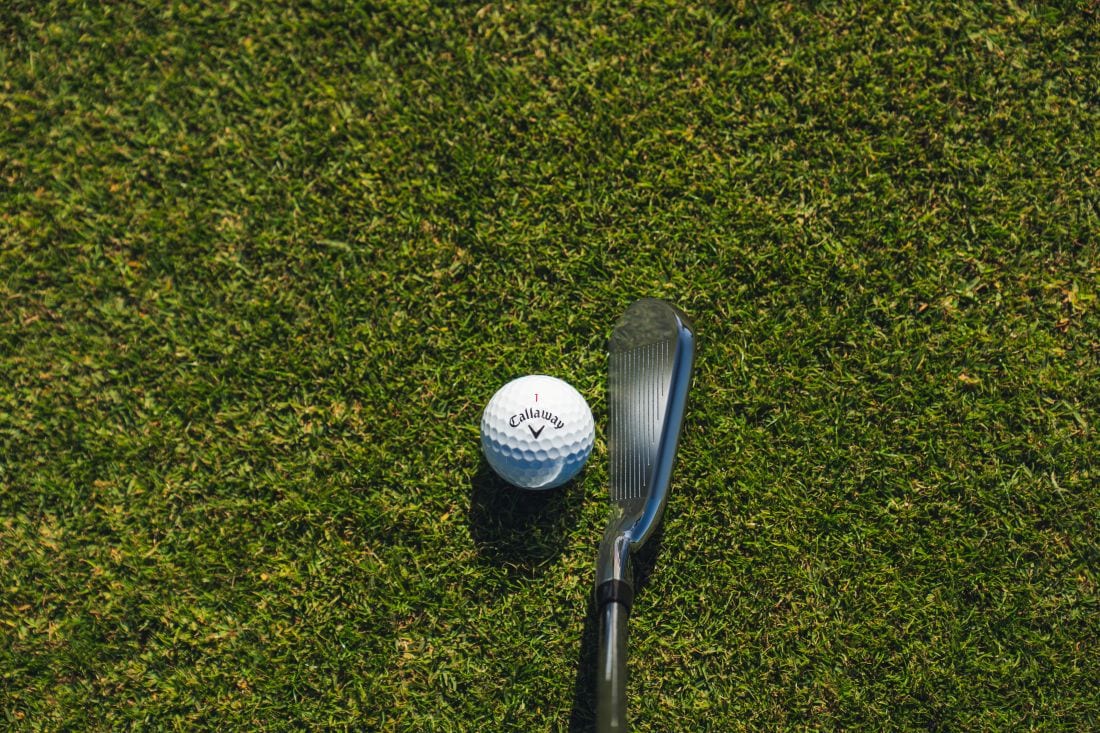
Photo: Callaway Elyte X Iron, courtesy of Callaway Golf
Let’s break down the designs of each of these categories of iron head.
As stated earlier, the shape of an iron head can influence everything from launch and forgiveness to feel and consistency. Some iron heads are designed to help golfers get the ball into the air more easily. Others are built to provide more precision and feedback at impact. Some prioritize distance, while others focus on control and shot shaping.
| Iron Type |
What It Looks Like |
What It Is Designed To Do |
Common Design Features |
| Blade Irons |
Very thin and compact |
Prioritises precision and shot shaping |
Small clubhead, thin sole, minimal perimeter weighting |
| Players Irons |
Compact but slightly larger than blades |
Balances feel and control with some forgiveness |
Cleaner shape with subtle forgiveness technology |
| Players Distance Irons |
Sleek appearance with slightly thicker profile |
Adds ball speed and forgiveness while maintaining modern looks |
Hollow body construction, thinner faces, internal weighting |
| Game Improvement Irons |
Larger profile with more visible perimeter weighting |
Helps golfers launch the ball higher and maintain consistency |
Wider sole, larger sweet spot, perimeter weighting |
| Super Game Improvement Irons |
Largest clubhead profile |
Maximises forgiveness and easy launch |
Very wide sole, oversised sweet spot, strong perimeter weighting |
One of the easiest ways to understand iron categories is to look at how major golf companies organise their own iron lineups. Brands like Callaway Golf, PING, Titleist, and PXG all build multiple iron models because golfers have different needs when it comes to launch, forgiveness, feel, distance, and control.
Some golfers prioritise consistency and easy launch. Others prefer a smaller shape that provides more precision and feedback. Many modern golfers now fall somewhere in between, which is why categories like “players distance” irons have become so popular.
Below is a simplified breakdown of how these companies currently organise many of their iron models and where they fit within the iron categories discussed earlier.
| Iron Category |
What It Is Designed To Help With |
Current Examples from Major Brands |
| Blade Irons |
Maximum precision and shot shaping with very little forgiveness |
Titleist MB and CB irons, PING Blueprint T |
| Players Irons |
Control and feel with some forgiveness built in |
Titleist T100 and T150, PING Blueprint S and i240, PXG 0317 ST |
| Players Distance Irons |
Cleaner appearance with added ball speed and forgiveness |
Titleist T250, PING i530, Callaway Apex Ai200 and Ai150, PXG 0311 P Gen8 |
| Game Improvement Irons |
Higher launch, more forgiveness, and easier consistency |
Callaway Quantum Max and Elyte X, PING G440, PXG 0311 XP Gen8 |
| Super Game Improvement Irons |
Maximum forgiveness and easiest launch |
Callaway Quantum Max OS, Titleist T350, PING G440 HL |
One thing that makes it tough to organise these club lineups is how much the categories now overlap. A modern game improvement iron may still have a relatively sleek appearance, while a players distance iron may include technology that would have only existed in oversized beginner clubs years ago.
For example, Callaway Golf currently places models like the Quantum Max OS and Elyte X into its game improvement category because they are designed to help golfers launch the ball more easily and maintain consistency on mishits.
Meanwhile, Callaway’s Apex Ai200 and Ai150 irons sit closer to the players distance category because they combine a more compact appearance with technologies designed to increase ball speed and forgiveness. Both club designs could be a great choice for a beginner golfer; it honestly depends on which club shows the best numbers when the golfer is being fit.
PING follows a similar structure. The company’s Blueprint irons are geared toward golfers seeking precision and workability, while models like the G440 and G440 HL focus more heavily on forgiveness and higher launch. The i530 and i240 sit somewhere in the middle, blending cleaner shaping with added speed and stability.
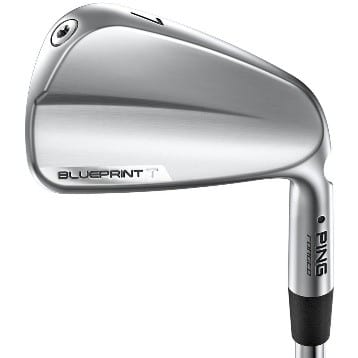
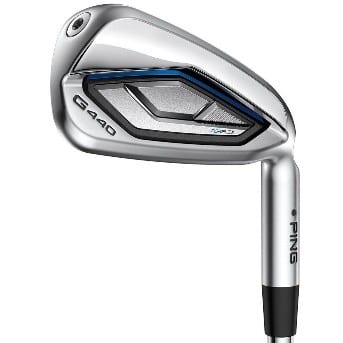
Photo: (Left) PING Blueprint irons, (Right) PING G440 Irons, courtesy of PING
Titleist organises its irons through the T Series lineup. The T100 and T150 are designed more for precision and control, while the T250 focuses on players distance performance and the T350 prioritises maximum forgiveness and launch.
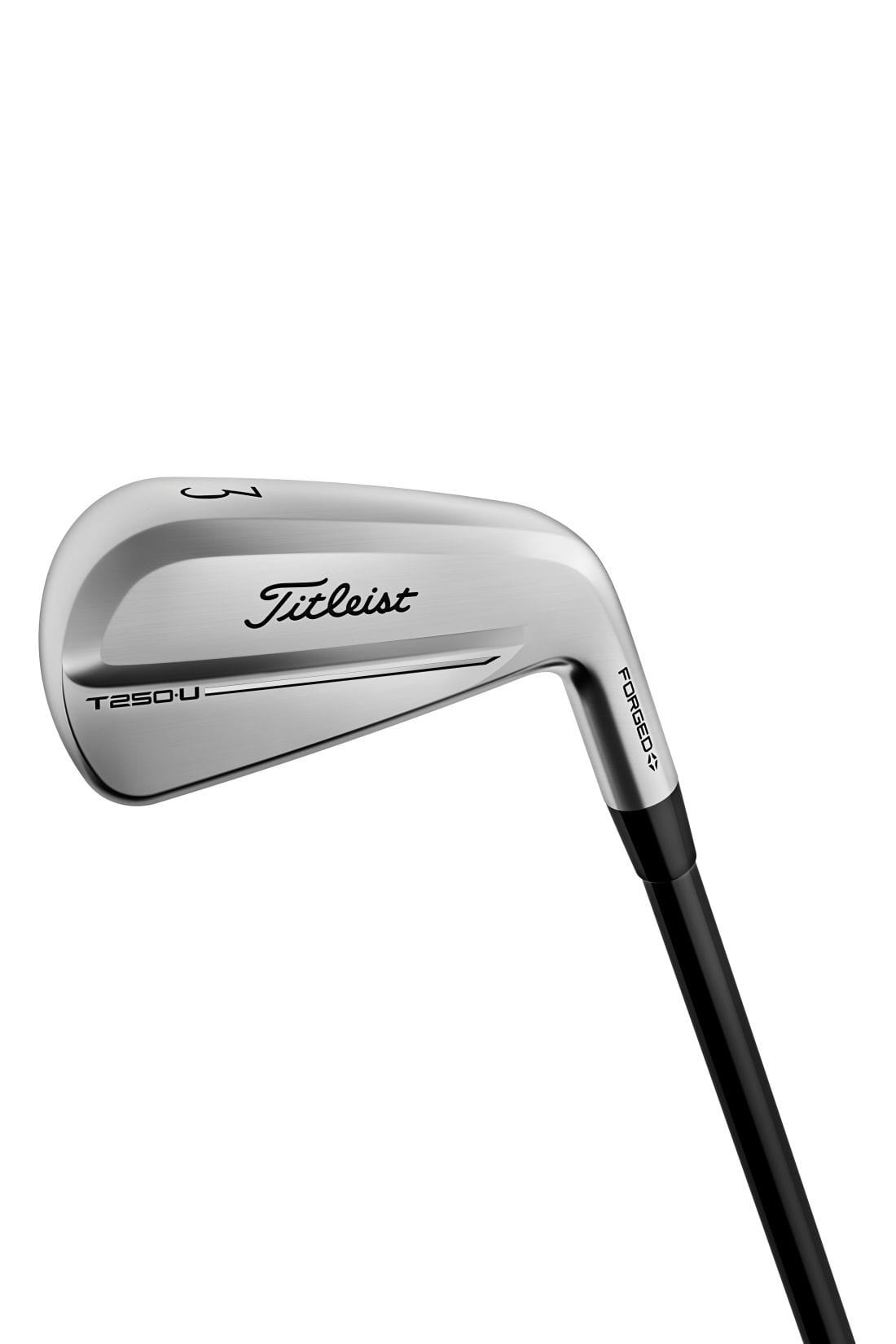
Photo: Titleist T250 Iron, courtesy of Titleist
PXG’s lineup also reflects how much modern iron categories have evolved. The company’s 0317 ST irons are designed for golfers seeking a compact players shape, while the 0311 P Gen8 irons fall into the players distance category. The 0311 XP Gen8 irons are built more heavily around forgiveness, consistency, and easier launch.
What makes modern golf equipment interesting is that these categories are becoming less rigid every year. Companies are finding ways to create clubs that combine forgiveness, distance, feel, and cleaner shaping into the same iron head.
That means golfers no longer have to feel locked into one category. Instead, modern iron fitting has become much more about finding the right balance of performance, confidence, feel, and consistency for each individual golfer.
And while the number of choices can feel overwhelming at first, understanding the purpose behind each iron category makes the process much easier. The more golfers learn about club design, forgiveness, launch and fitting; the easier it becomes to find equipment that truly supports their game rather than simply looking good in the bag.
.png)
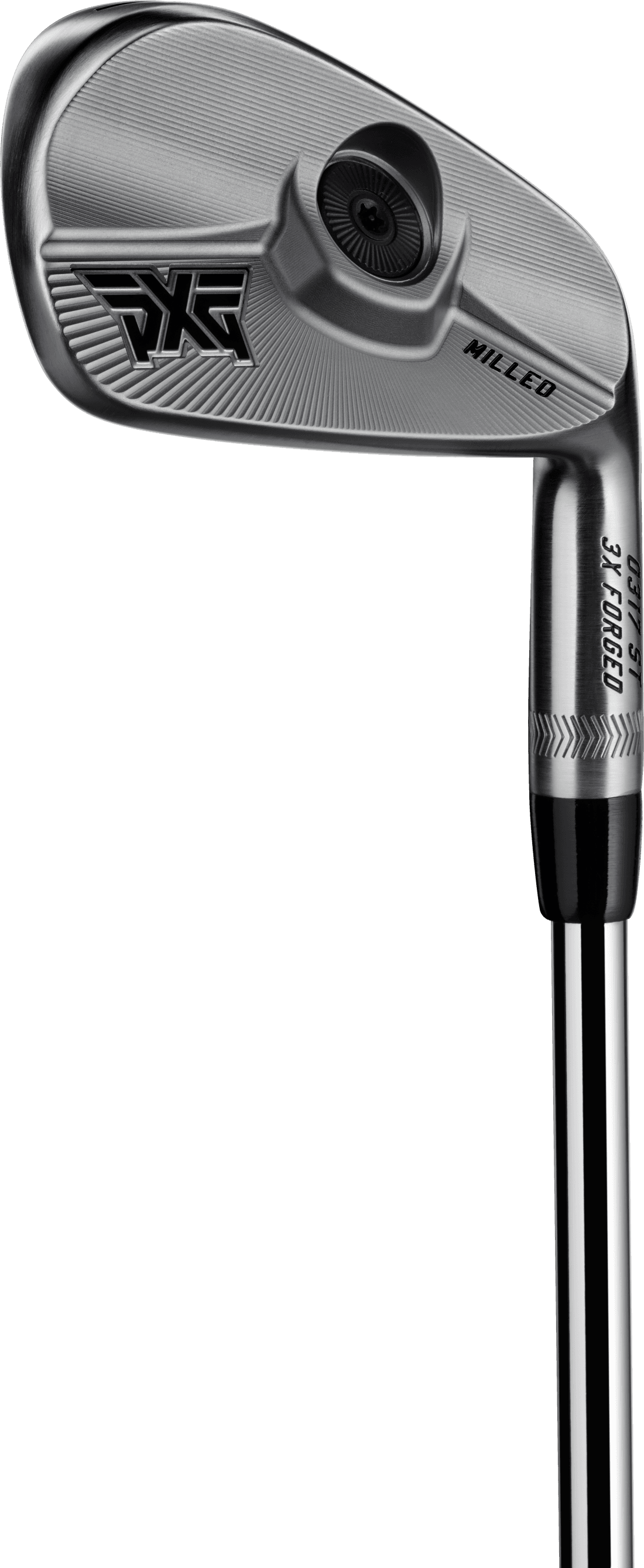
Photo: (Left) PXG 0311 XP Gen8 iron, (Right) PXG 0317 ST iron, courtesy of PXG
Side Note:
For this article, we are focusing only on the head of the golf club. Shaft choices are a completely different part of the fitting process and are equally important, but there is already plenty to unpack just within the design of the clubhead itself.

.jpg)