CATEGORIES
- Latest News
- Interviews
- Golf Travel
- Features
- Juniors
- Competition
- Events
- Health
- Equipment
- Fashion
- Archive
INFORMATION
CURRENT ISSUE

SUBSCRIPTIONS



CATEGORIES
INFORMATION
CURRENT ISSUE
SUBSCRIPTIONS

.jpg)



Words: Emma Claire, Clinical Nutritionist (BHSc) & Cell Squared Nutrition Expert
Golf may look graceful from the outside, but anyone who plays regularly knows it demands far more from the body than meets the eye. Long rounds mean hours on your feet, thousands of steps, rotational power through the swing, and continuous stabilisation from head to toe. To support this, your nutrition needs to work as hard as you do. Certain whole foods are especially powerful for joint integrity, stamina and post-round recovery.
Here are the top nutrient-dense options I recommend to golfers who want to stay strong, energised and resilient.
1. Beef organs: nature’s multivitamin for stamina, strength and recovery
When it comes to nutrient density, few foods compare to beef organs, especially liver & spleen. They provide a uniquely concentrated source of vitamins and minerals crucial for golfers:
These nutrients play vital roles in maintaining stamina across 18 holes, supporting muscle repair after repeated swings, and reducing fatigue after long days on the course. These nutrients are often depleted in active individuals due to higher metabolic demand, making organ meats valuable for recovery-focused nutrition.
Of course, not everyone loves the taste or has time to prepare organ meats. A practical option I often recommend is freeze-dried beef spleen
& liver capsules, such as those from Cell
Squared.
They’re HASTA certified and use organic, grass-fed cattle, making it a simple way to access the benefits of organ meats in a consistent,
daily dose.
2. Fatty fish: omega-3s for flexible, comfortable joints
Omega-3 fatty acids found in wild caught salmon, sardines and mackerel help modulate inflammation and support joint mobility. They also assist in protecting cartilage and connective tissue, key for golfers managing stiffness or soreness after long rounds.
Fatty fish also offers vitamin D and B vitamins for energy and muscle function.
Add it: 2–3 servings of salmon or sardines each week can support joint comfort and reduce post-round inflammation.
3. Grass-fed beef: a powerhouse for iron, protein and endurance
To maintain stamina across several hours of play, your muscles need oxygen – and that requires adequate iron. Grass-fed beef provides highly bioavailable iron along with zinc, B vitamins and complete protein for muscle repair.
It’s particularly beneficial for women who have higher iron requirements due to menstruation, and even greater demand when training or playing long rounds. When intake and absorption don’t match this demand, energy, focus and performance can suffer.
Add it: Enjoy grass-fed mince, steak, or slow-cooked cuts 4-5 times a week to support endurance/recovery.
4. Eggs: a compact, complete recovery food
Eggs deliver all nine essential amino acids, along with vitamin D, B12, B6 and choline. They support muscle recovery, nervous system function and steady energy.
Add them: A simple three-egg omelette or boiled eggs post-round can help replenish amino acids quickly.
5. Leafy greens & colourful vegetables: antioxidant armour for tired muscles
Hard-working muscles generate oxidative stress, especially after repetitive rotation and long distances walking the course. Leafy greens, along with veggies like capsicum, tomatoes and beetroot, provide antioxidants that help reduce muscle inflammation and support repair.
Beetroot’s natural nitrates may also assist with circulation and endurance.
Add them: Aim for 3–5 cups of colourful vegetables per day.
6. Berries: fast-acting inflammation support
Berries offer polyphenols and antioxidants that help neutralise inflammation triggered by exertion. They also provide natural carbohydrates for gentle glycogen replenishment after prolonged activity.
Add them: Pair berries with yoghurt or blend into a recovery smoothie.
7. Nuts & seeds: healthy fats that support joint lubrication
Almonds, walnuts, chia and flaxseeds deliver healthy fats, magnesium and vitamin E – a combination that supports tissue healing, joint lubrication and sustained energy.
Add them: A handful of mixed nuts or a tablespoon of chia seeds in muesli works well.
8. Bone broth & gelatin-rich foods: fuel for tendons and ligaments
The golf swing heavily relies on tendons, ligaments and fascia. Collagen-rich foods such as bone broth, slow-cooked meats and gelatin help support the structural integrity of these tissues.
These foods deliver amino acids like glycine and proline, essential for maintaining the connective tissue that stabilises joints.
Add them: Use bone broth in soups or sip between meals.
Pulling it all together
Golf requires rotational strength, muscular endurance, joint stability and mental clarity – and nutrition underpins every one of these elements. By prioritising nutrient-dense whole foods, you support:
Think of every meal as an opportunity to fuel not just the round ahead, but the long-term health of your body. When your nutrition is working for you, you feel it, in your power, your stamina and the way you pull up the next morning.
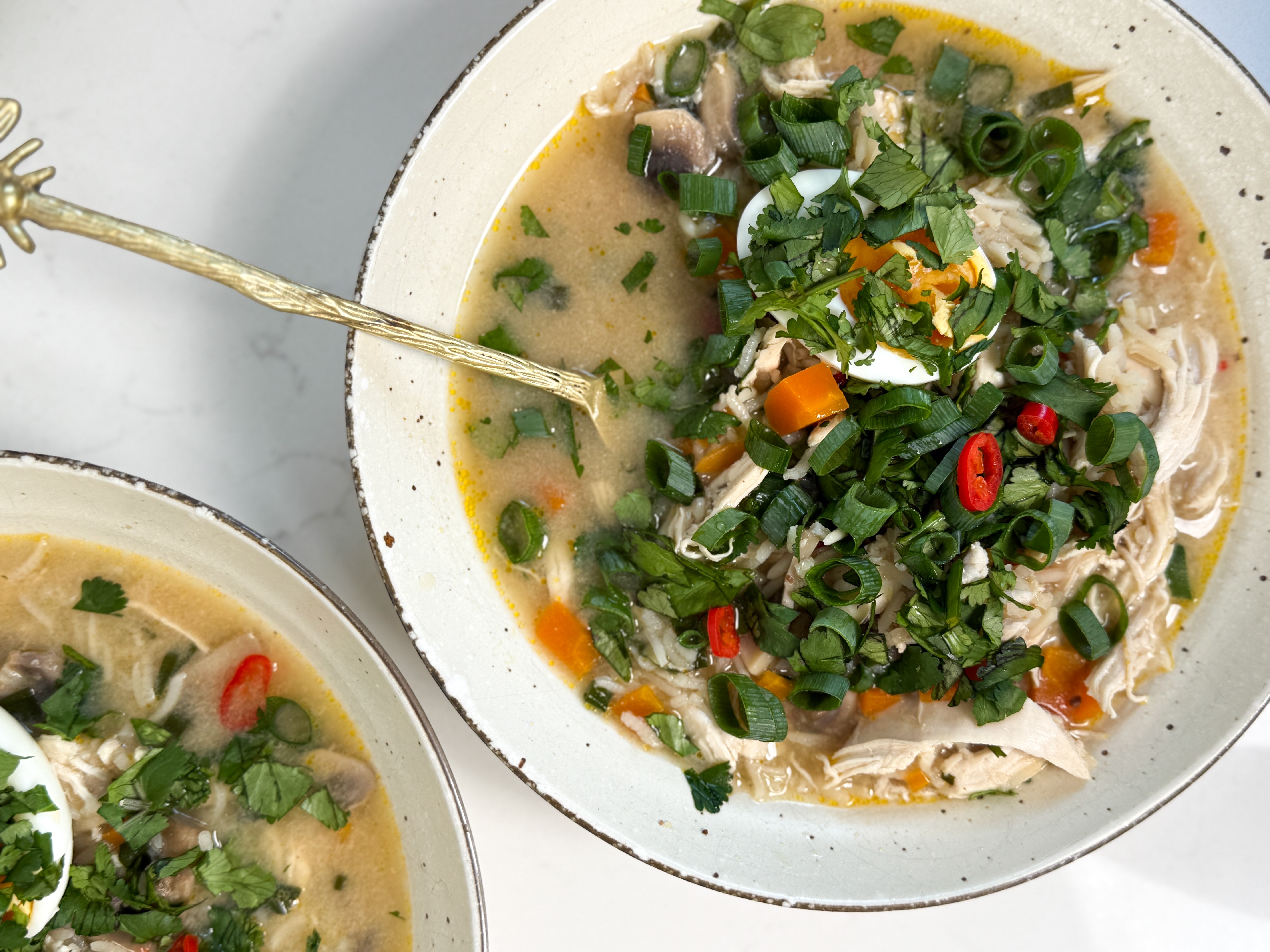
HERE ARE A FEW TASTY RECIPES TO TRY OUT SOON!
Servings: 4
Prep Time: 15 minutes
Cooking Time: 25 minutes
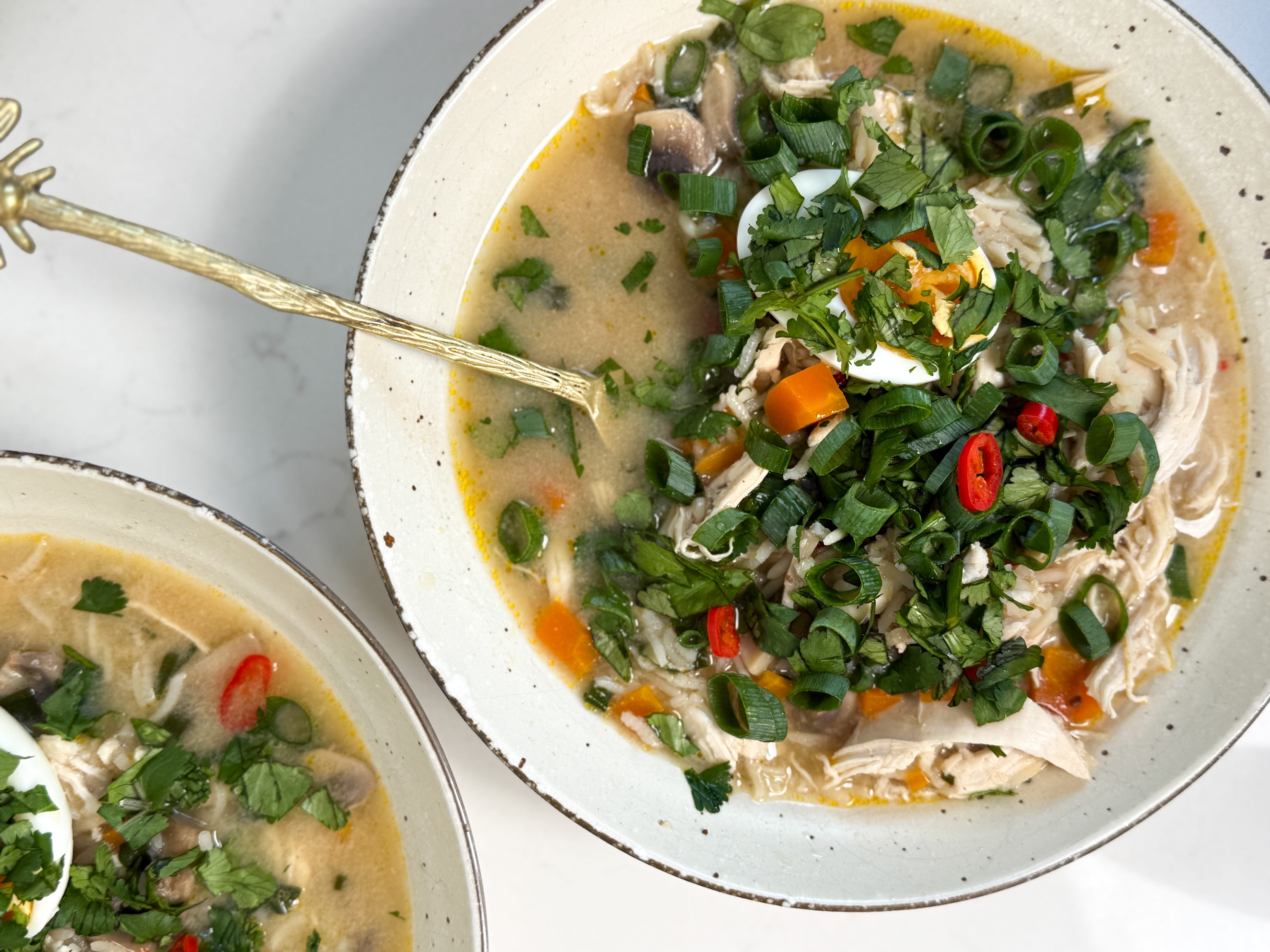
Servings: 4
Prep Time: 15 minutes
Cooking Time: 25 minutes
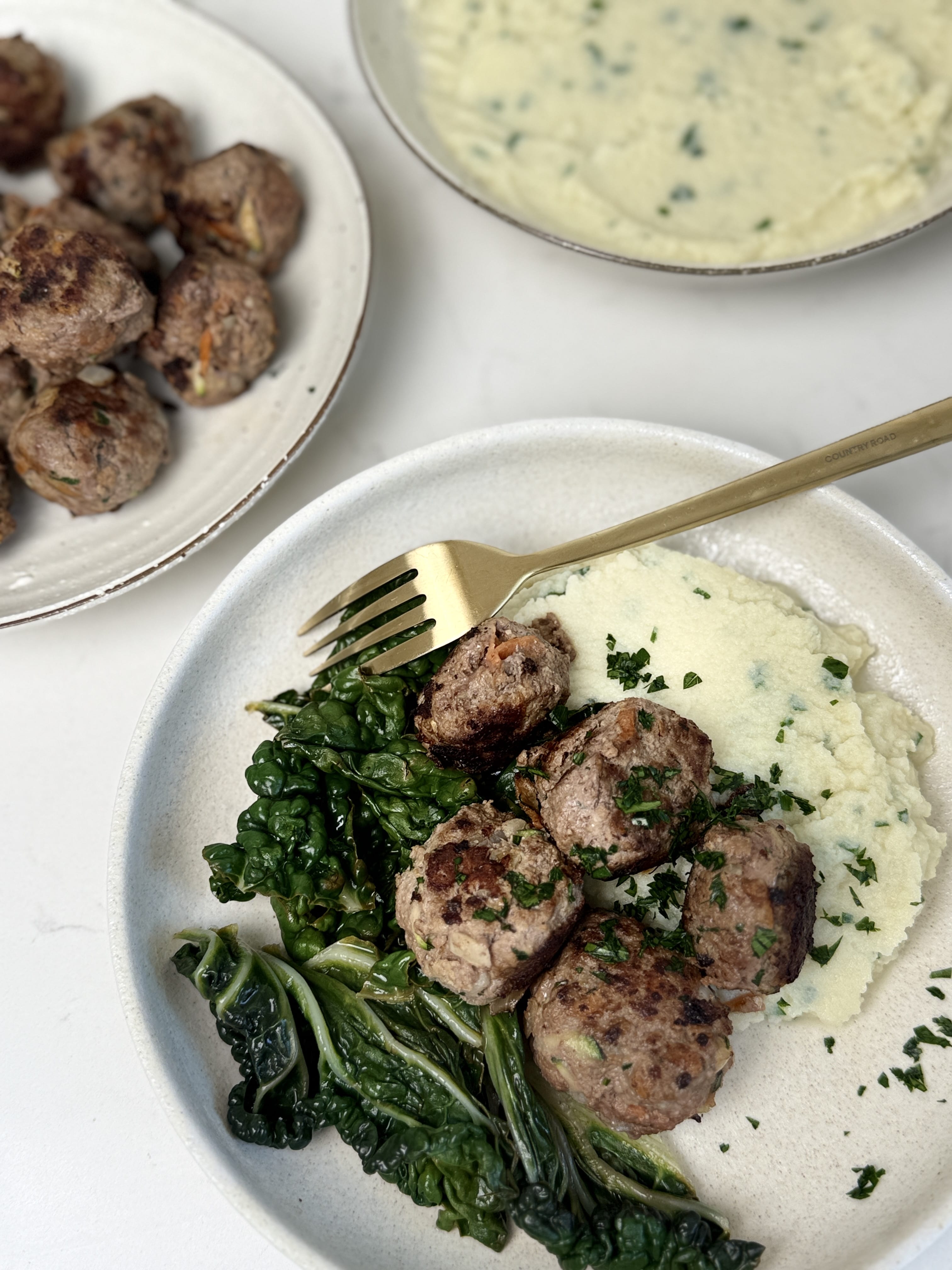
Servings: 2–3
Prep Time: 10 minutes
Cooking Time: 15 minutes
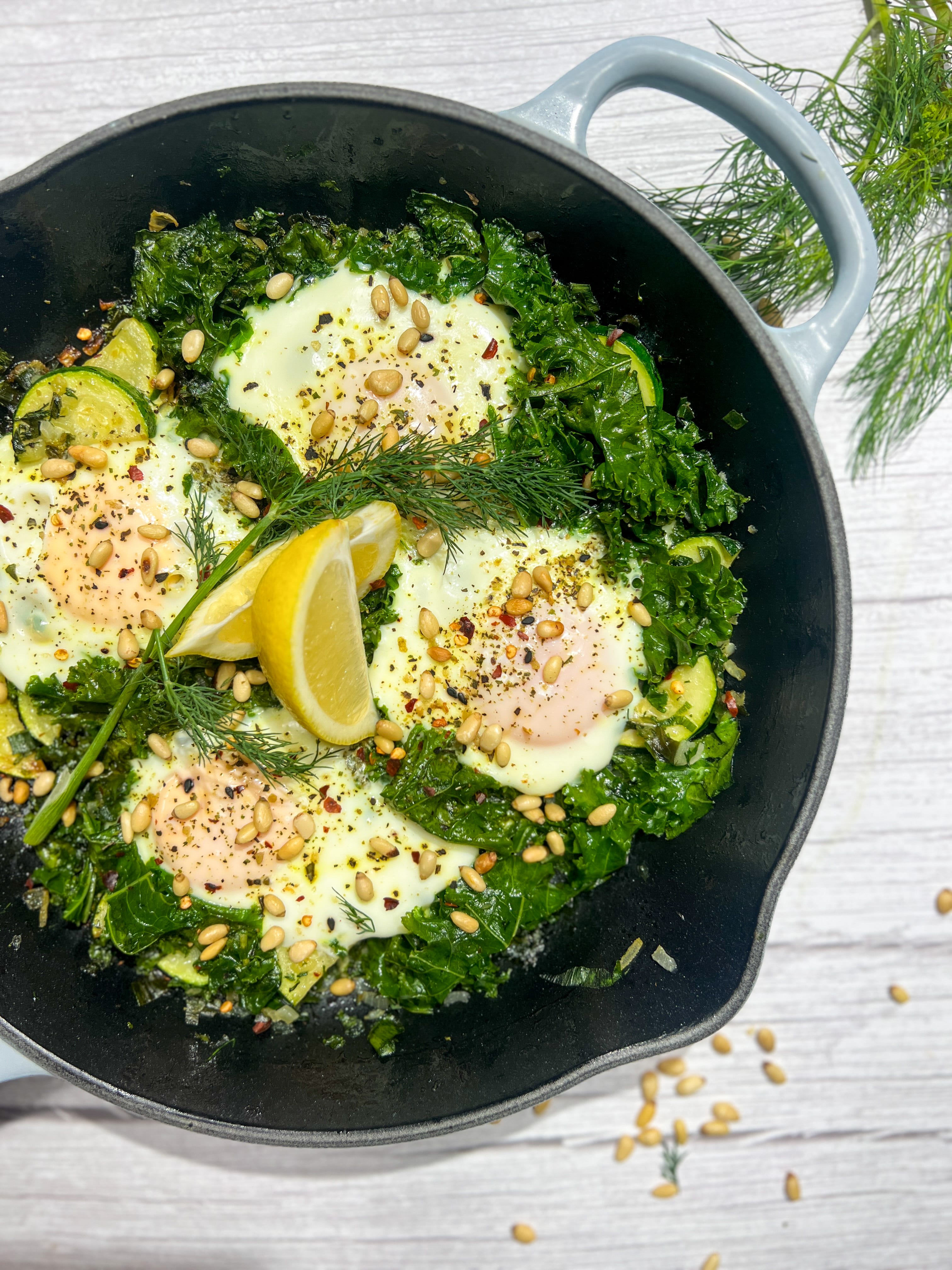
Store in a sealed jar in the fridge for up to 5 days.
Emma, a Clinical Nutritionist and Cell Squared expert, helps active and
everyday women improve gut, hormone and skin health with holistic, evidence-led strategies that boost energy, recovery, and overall athletic
performance.



.jpg)